



Blast furnace without water pressure slurry lining (including hot blast furnace heating furnace)
During the smelting process of the blast furnace, the lining is not only mechanically scoured and thermally impacted by the dusty gas flow, but also chemically eroded by the alkali metal and other elements in the gas, which leads to the adjacent gaps of the cooling stave in each part of the furnace body, and the phenomenon of gas flow between the cooling stave and the furnace shell.
Classification:
Description
1. Technology Overview
1. During the smelting process of the blast furnace, the furnace lining is not only mechanically scoured and thermally impacted by the dusty gas flow, but also chemically eroded by the alkali metal and other elements in the gas, which leads to the adjacent gaps of the cooling wall in each part of the furnace body, the phenomenon of gas flow between the cooling wall and the furnace shell.
2. As a technology to repair the gap of blast furnace cooling wall and prolong the life of blast furnace, the furnace body pressure lining has been widely used by domestic and foreign enterprises. The whole process of pressure lining is only carried out during annual or monthly inspection under the condition of non-maintenance or minor repair of blast furnace. If the whole lining can be made and the furnace type can be repaired, it can promote and guarantee stable production and increase production, and the pressure pulp lining life can generally maintain 3 to 6 months or so, can play a minor repair role, reduce the wind time, thereby reducing production costs and saving maintenance costs.
3. Blast furnace lining is to use a pressure slurry lining machine to pour at high pressure (the pressure is generally controlled between 3-15Mpa). The refractory slurry is pressed into the gap where the lining of the blast furnace has been burned or fallen off through the nozzle slurry. After being driven into the furnace, the slurry will quickly penetrate into the surrounding area and spread out, wrap and fill in the gap or cavity between the furnace wall and the charge.
Because the mud injection is carried out under the condition of wind off, the temperature in the furnace is generally about 1000 ℃, then in the environment of high temperature baking, the mud ice deep in front will be heated and condensed rapidly, sealing the channel, the mud pressed in the follow-up will be spread and infiltrated near the furnace shell around the injection point against the nozzle, wrapped and filled in the gap between the furnace wall and the outer furnace charge, under the action of internal and external high temperature, formed a good connection and a certain thickness, density and sufficient strength of the refractory layer, and can be firmly consolidated in the steel shell, between the furnace shell and the cooling wall filled with a dense refractory layer, to protect the furnace shell, avoid gas or flame overflow. Reduce the temperature of the furnace shell to achieve the purpose of high efficiency and long life of the blast furnace.
Working Conditions and Materials Used for Repair of Lining Parts of 2. Blast Furnace
1, blast furnace iron mouth part: in the middle and late furnace service, due to the increase of the erosion of refractory bricks, the erosion, cracking and even damage of refractory slurry between brick joints and the cracking and damage of refractory materials between cooling wall and furnace shell. The gas and other gases in the blast furnace are ejected through these gaps, causing the blast furnace to have splashing in the process of drawing iron. Use free carbonaceous press slurry at the iron hole, and its technical indicators are shown in Table 1 and Schedule 1.
2. Furnace bottom and hearth parts: in the middle and late stages of furnace service, due to the erosion and scouring of lining bricks at the furnace bottom, even the local lack of lining bricks, as well as cracks in the furnace bottom and hearth parts, gas flow, fire and even redness of the furnace shell are caused. This phenomenon causes great security risks and also causes great energy waste, which is also one of the important factors affecting the longevity of the blast furnace. Similarly, the use of anhydrous grouting technology is the main method to eradicate this phenomenon. Due to the harsh conditions of the furnace bottom and the furnace cylinder, most of the corundum silicon carbide anhydrous mud press-in materials are used, and the technical indicators are shown in Table 2.
3. The furnace body and the parts above the material surface: the parts above the material surface are affected by the impact of temperature changes and the erosion of flue gas and alkali metals, and the use environment is relatively loose. However, in the middle and later stages of furnace service, there are also phenomena such as gas leakage and fire caused by the erosion of the furnace lining and the cracking or missing between the water wall and the furnace shell, which cause great safety hazards for the production of blast furnace. Because the ambient temperature is relatively low, generally at 500 ℃, high alumina refractory press-in slurry is selected according to the material of the lining brick, and its technical indicators are shown in Table 3.
3. construction scheme
1. Construction preparation of blast furnace grouting
In order to obtain good grouting effect, it is necessary to master the following points:
(1) the material line and furnace temperature control. The temperature in the furnace directly affects the effect of the pressed material. Generally, it is appropriate to adjust the temperature in the furnace to about 1100 ℃.
(2) Purging of grouting parts. In the furnace shell temperature higher parts of the attachment hole, with compressed air purging the gap in the dust and debris. In order to ensure that the mud can fill the furnace shell space smoothly.
(3) Welding multiple grouting interfaces on the furnace shell. Generally speaking, the grouting range of grouting point is about 1m in diameter. It is appropriate that the distance between each opening at the high temperature part of the furnace shell is about 1m to ensure the grouting effect.
2. Key points of construction operation of blast furnace grouting
Blast furnace grouting generally uses special grouting mechanical equipment to feed by pumping. Its maximum pressure can reach 20Mpa, in the construction should pay attention to the following operation points:
(1) Strictly control the viscosity of the mud to maintain uniformity and stability. Prevent adding too much or too little diluent. Excessive diluent will cause the flow of pressure slurry, resulting in unnecessary waste. And it has a direct impact on the porosity of refractory products, reducing the performance of refractory materials; too little will cause the pressure into place or the formation of interlayer, affecting the construction quality.
(2) In the process of grouting, the pressure should be slowly increased, and when the flow rate is adjusted to the appropriate level, it should be carried out as evenly as possible to prevent sudden increase or decrease of pressure and flow rate.
(3) Each hole in the grouting process requires continuous operation and is completed at one time to prevent the grouting channel from being blocked.
Advantages of 4. blast furnace grouting construction
(1) The maintenance period is short, and the degree of mechanization and specialization is high.
(2) Save refractory materials and reduce maintenance costs. Because the pressure slurry lining can effectively delay the use time of the remaining refractory materials, it not only saves the maintenance cost of refractory materials, improves the utilization of refractory materials, but also reduces the labor intensity of labor.
(3) The blast furnace has strong integrity after grouting, which prolongs the service life of the blast furnace.
(4) Effectively eliminate the phenomenon of gas, fire and splash, which is conducive to improving the production efficiency of slag iron, greatly reducing the construction safety risk and reducing the heat loss.
(5) Pressure grouting has a wide range of applications. For example, high-pressure grouting shall be carried out in time in the gaps between the shell, lining and adjacent mechanisms of the shell, cooling wall, tuyere, iron outlet and slag outlet of the newly-built blast furnace or hot blast furnace, hot blast furnace, thermal pipeline, etc., to seal the shrinkage joints, cracks and cavities of the lining to prevent the occurrence of furnace shell bulging, cracking, gas emission, fire and burn accidents, endangering the safety of equipment and personnel and prevention.
Physical and chemical indexes of 5. pressure slurry
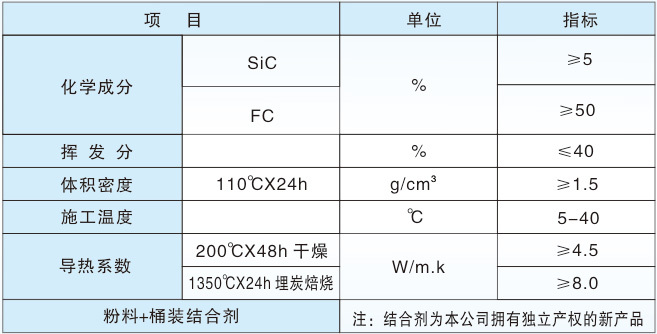
Table 1 Intake-in cooking index of iron mouth
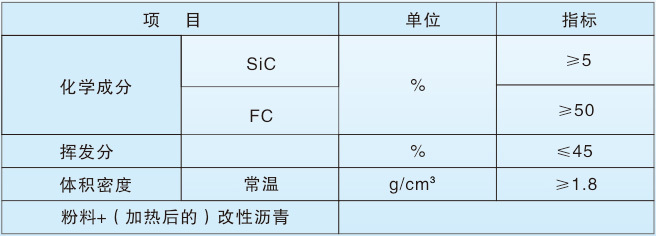
Schedule 1 Carbonaceous Indentation Cooking Index
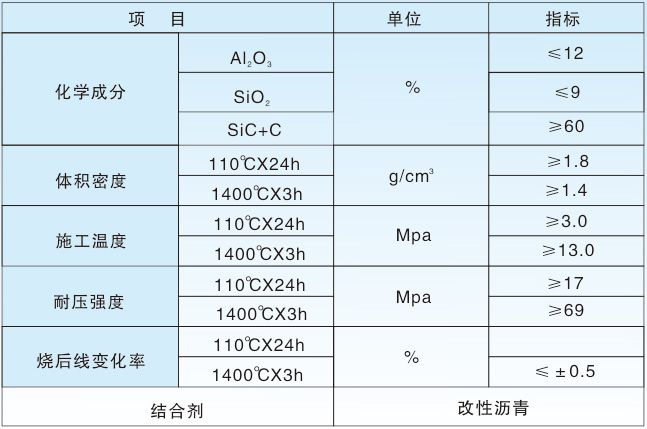
Table 2 SiC C indentation cooking index
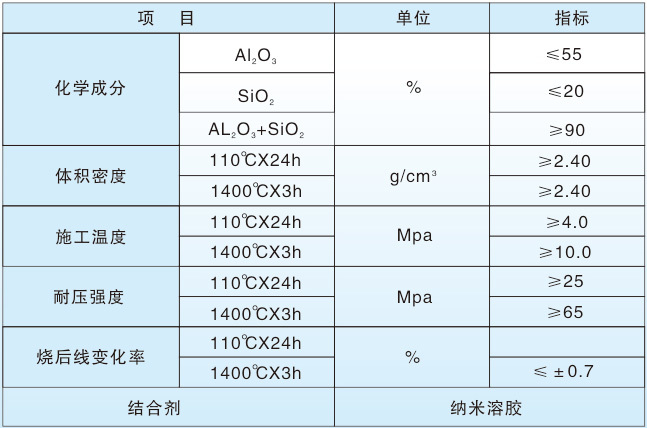
Table 3 Physical and chemical indexes of high alumina refractory slurry
Recommended Products
online message
Hebi Zhongsheng Metallurgical Engineering Co., Ltd.
Address: 227 Hengshan Road, qibin district, Hebi City, Henan Province